Rate this post
What areKubernetesEnvironments?
Kubernetes Environments areorchestrated container platforms thatmanage, deploy and scale containerisedapplications across clusters of nodes.
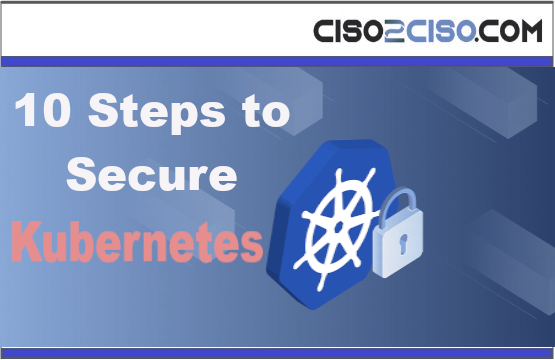
Kubernetes security is crucial for protecting containerized applications and ensuring the overall integrity of the cluster. Here are some key best practices to enhance security:
- Role-Based Access Control (RBAC): Disable Attribute-Based-Access-Control (ABAC) and enable RBAC to control API access and permissions. Use RBAC to grant namespace-specific permissions for safer access and avoid cluster-wide privileges.
- Third-Party Authentication: Integrate third-party authentication mechanisms for additional security layers and implement multifactor authentication to strengthen access control.
- Secure etcd: Protect the etcd data store with Transport Layer Security (TLS) encryption, firewall rules, and data encryption to safeguard sensitive cluster information.
- Node Isolation: Isolate Kubernetes nodes to prevent unauthorized access and limit the impact of potential security breaches on the cluster.
- Process Whitelisting: Use process whitelisting to detect unusual processes and build a whitelist based on typical behavior to enhance security. Consider automated tools for runtime process analysis to identify irregularities efficiently.
- Audits and Logging: Enable auditing and logging features to track and monitor activities within the cluster, helping to detect and respond to security incidents effectively.
- Pod Security Policies: Define and implement pod security policies to establish strict container runtime security, limiting privileged access and capabilities. Reduce metadata exposure to pods to minimize information available to attackers.
- Awareness and Education: Spread awareness about security best practices and educate the team on Kubernetes security measures to promote a culture of security within the organization.
- Network Traffic Monitoring: Monitor containerized application network traffic against Kubernetes policies to identify interaction patterns and anomalies. Enhance security by identifying unused network policies and comparing allowed/disallowed traffic to prevent unauthorized communication.
- Regular Updates: Keep the Kubernetes version up to date to leverage the latest security features, patches, and enhancements, ensuring the cluster’s resilience against emerging threats.
By following these comprehensive security best practices, organizations can strengthen their Kubernetes environment’s security posture and mitigate potential risks effectively.
Views: 1