The Evolving World of Software Development In the dynamic realm of software development, integrating security into the development process has become a paramount concern. This introductory section sets the stage for the journey through the DevSecOps Maturity Model, a framework that blends development, security, and operations into a cohesive and efficient workflow. The paragraph emphasizes the changing landscape of software development and the rising need for security to be a foundational element rather than an afterthought.
Understanding DevSecOps DevSecOps represents a cultural and technical shift in how organizations approach software development and security. This section defines DevSecOps, detailing how it extends beyond traditional development practices by embedding security at every stage of the software development life cycle. It underscores the philosophy of ‘security as code’ and its significance in modern software development.
The Need for a Maturity Model As organizations adopt DevSecOps practices, the need for a structured approach to gauge and enhance their progress becomes clear. This paragraph introduces the concept of a maturity model in the context of DevSecOps, explaining its role in helping organizations systematically improve their integration of security into development processes.
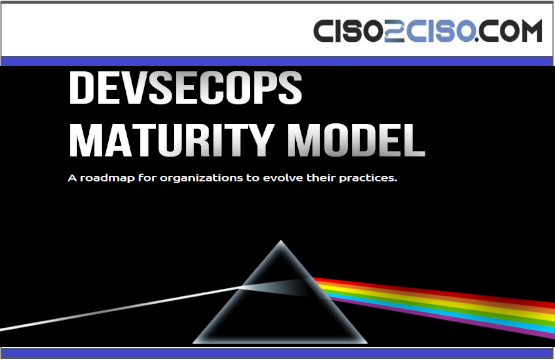
Overview of the DevSecOps Maturity Model The DevSecOps Maturity Model provides a roadmap for organizations to evolve their practices. This section offers an overview of the model, outlining its various stages from initial implementation to advanced stages where DevSecOps principles are deeply ingrained in the organizational culture and workflows.
Key Components of the Maturity Model Delving into the specifics, this part enumerates the key components of the DevSecOps Maturity Model, such as automation, policy as code, security integration, monitoring, and feedback loops. It briefly describes each component’s role in enhancing the security and efficiency of the development process.
Challenges and Strategies Implementing DevSecOps is not without its challenges. This section discusses common obstacles organizations face, such as cultural resistance, tool integration issues, and skill gaps. It also suggests strategies to overcome these challenges, emphasizing the importance of leadership, training, and clear communication.
Case Studies and Real-World Examples To illustrate the practical application of the DevSecOps Maturity Model, this paragraph introduces a series of case studies and real-world examples.
These narratives showcase how different organizations have successfully navigated their DevSecOps journey, providing insights and lessons learned.
Navigating Forward Concluding the introduction, this section outlines the book’s structure, guiding the reader through the detailed exploration of each stage of the DevSecOps Maturity Model. It sets expectations for the comprehensive coverage of best practices, tools, and methodologies that will be discussed in subsequent chapters.
Views: 14